



Evening Journal Prompts for Better Sleep and Less Overthinking
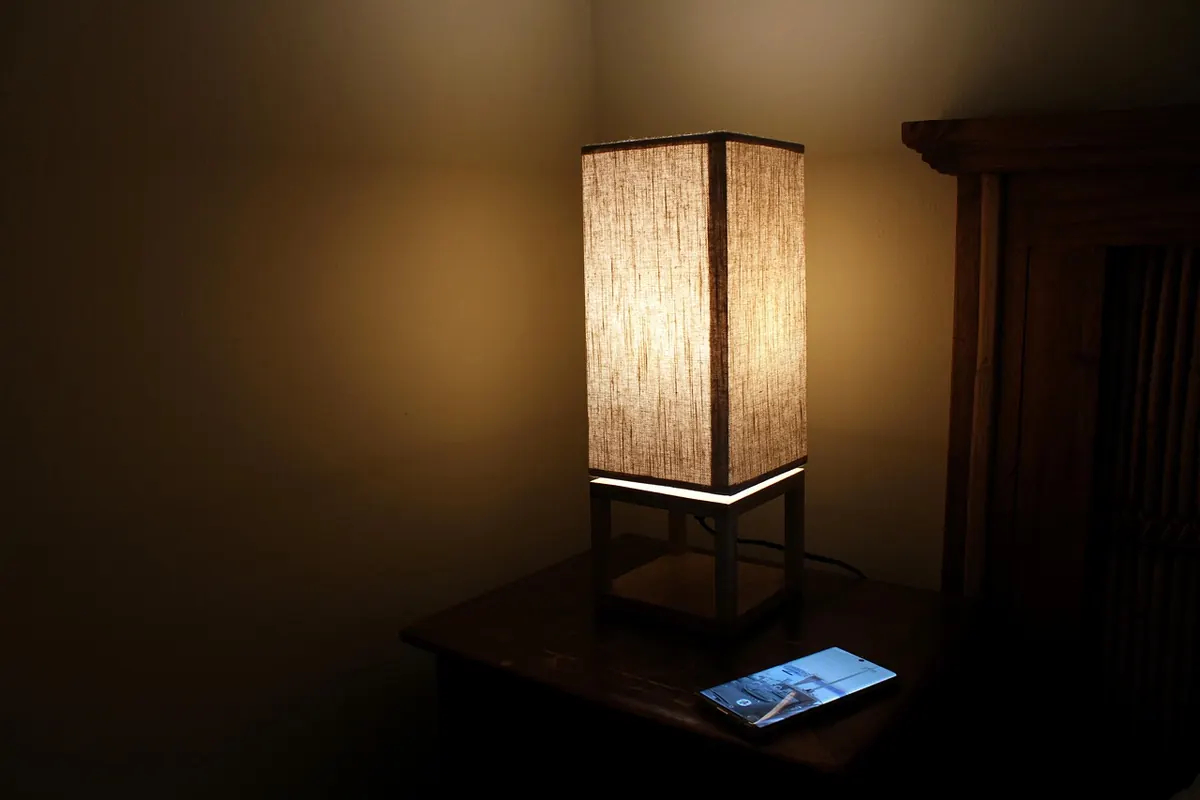
It usually starts around ten. You're tired, the lights are off, and your brain decides this is the perfect moment to replay a conversation from Tuesday and rehearse a meeting that hasn't happened yet. Evening journaling doesn't stop those thoughts from arriving. It gives them somewhere to go that isn't your pillow.
Five or ten minutes with a pen can turn a spinning mind into a short, ordinary list of things you'll deal with tomorrow. The prompts below move from the practical to the softer end of the evening: first emptying out what's pressing, then noticing what was decent about the day, then settling the body. Pick two or three. A page you actually fill beats a perfect system you abandon by Thursday.
Start with the worry dump
A worried thought stays loud partly because it feels unfinished. Writing it down makes it concrete and finite — a page has edges. Use one of these, and don't stop to solve anything yet.
- What am I carrying tonight that isn't mine to solve before morning? Name it, then name who or what it actually belongs to.
- What am I afraid will happen, and what would I do if it did? The second half matters more than the first. Most fears shrink once they have a plan attached.
- What's the smallest next step on the thing I keep avoiding? Small enough to do badly in ten minutes.
- If I could only fix one thing tomorrow, what would it be? One thing. Not three.
Then write a short tomorrow list of no more than three items. Be specific: "email the landlord about the boiler" rather than "sort out the flat." Vague items generate more worry than they absorb. When the list is done, close the notebook. That gesture is the point — you're not just writing, you're putting something down.
Prompts that close the day instead of reopening it
A lot of evening journaling fails because it turns into an audit of everything you got wrong. That's a reliable way to lie awake at midnight. Aim the questions sideways instead.
- What went right today that I'd forget by Friday? The bus arriving, a decent lunch, a conversation that didn't go badly.
- Where did I make something slightly easier for someone else, or for myself? Slightly is enough. Leave the fridge tidy. Go to bed twenty minutes earlier.
- What did I do today that I'd like to do again? This is how you find out what actually restores you, rather than what you think should.
- What can I leave unfinished without it costing me anything? Some things genuinely don't need finishing tonight.
Keep this section to three or four lines. If you notice yourself writing long, critical paragraphs about the day, stop and ask a plain question: would I say this sentence to a friend on the same evening? If not, cross it out.
Write your way out of tension
By evening, the body usually knows something the mind hasn't admitted yet. These prompts move attention from thought to sensation, which is a quieter place to be.
- Where am I holding tension right now — jaw, shoulders, hands, stomach? Write the location, then a number from one to ten.
- What can I hear from here? Three sounds. Include the dull ones: the fridge, traffic, your own breathing.
- Describe this room in three sentences, using only what I can see with the lights low. Edges of furniture, a lampshade, the corner where things pile up.
- If tonight could be ten percent easier, what would change? Then do that one thing before you get into bed.
You're not aiming for beautiful writing here. Listing what's in the room is boring on purpose — boredom is a useful signal to a brain that has been rehearsing disasters for two hours.
For the nights when the loop won't break
Some evenings won't be solved by prompts, and that's normal. When the same thought keeps circling, try writing the loop out once, word for word, as if you were transcribing it. Seeing it in plain sentences often reveals how short it is. Usually it's one fear wearing different coats.
Then ask a single question: is this a problem to solve or a feeling to feel? If it's a problem, write the first step and the time you'll take it tomorrow. If it's a feeling, write one honest sentence about it and let it be there. You don't have to talk yourself out of it to sleep.
It also helps to keep a "parked" page at the back of the notebook. Anything that surfaces after you've already finished gets one line and no more. If you wake at three in the morning, don't start writing. Say to yourself, in these words or similar: same thought as last night, nothing new has happened, I'll look at it at nine. Then turn over. Give the thought a scheduled appointment and it often stops knocking.
Keep the habit smaller than your motivation
Evening journaling survives on being almost too easy to skip. A notebook and a pen next to the bed, not in a drawer. A five-minute timer, or the length of one page. One sentence counts as a session — genuinely, on the nights you're wrecked.
Two things to watch. If writing in bed seems to keep you awake, move the notebook to a chair across the room and write there before you lie down; you don't want the pillow associated with problem-solving. And don't keep a backlog. If you miss three nights, you start fresh, not with three pages of catch-up.
A five-minute routine to try tonight
- Worry dump (two minutes). Two or three lines of what's pressing, then a tomorrow list of at most three specific items.
- One good thing (thirty seconds). Something small you'd otherwise forget by the weekend.
- Body check (one minute). Where's the tension, and what's the number? Roll your shoulders once and write down whether it changed.
- One line to close (thirty seconds). "Today was mostly..." or "Tomorrow I'll start with..."
- Close the notebook (the important part). Put it down, lights off, done. Nothing you wrote needs fixing tonight.
If sleep problems continue for weeks, affect your days, or come with low mood, treat the journal as one supportive habit rather than a cure and speak to a doctor or a mental health professional. Writing is a good place to put a worry; it isn't a substitute for help.
Photo: ianvanderlinde / Pixabay